Salvation is one of the central themes of the Bible, representing God’s ultimate plan to restore humanity through His grace and mercy. For Christians, understanding salvation goes beyond simply acknowledging forgiveness it is about embracing a personal relationship with God, being transformed by faith, and living a life that reflects spiritual renewal. The Bible provides numerous verses that illuminate the path to salvation, emphasizing belief in Jesus Christ, repentance, and trust in God’s grace. These verses not only guide believers toward eternal life but also offer hope, comfort, and clarity during times of doubt or struggle.
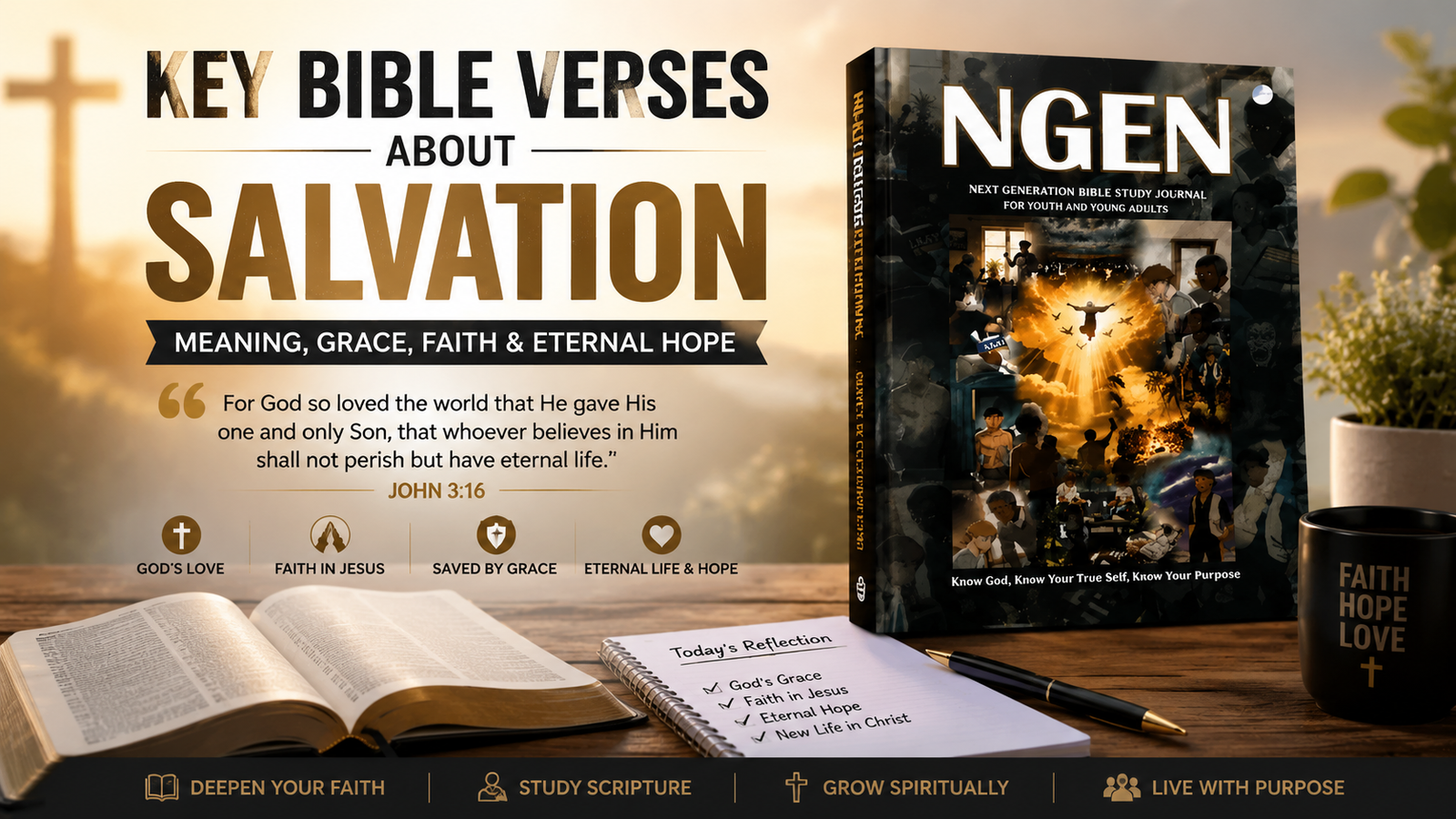
In practical terms, salvation is both a gift and a process. While no human action can earn eternal life, faith in God leads to spiritual growth, moral responsibility, and meaningful change in daily life. Many modern tools, such as the NGEN Bible Study Journal, help readers study these passages more effectively, providing reflections, exercises, and prompts to internalize key lessons. Through understanding Bible verses about salvation, believers can strengthen their faith, gain a deeper comprehension of God’s love, and apply the principles of redemption to everyday choices and challenges.
What Does the Bible Say About Salvation?
The Bible teaches that salvation is a divine gift, available to all who believe in God and accept Jesus Christ as their Savior. This gift is not earned through human effort or moral achievements but is granted through God’s mercy and grace. John 3:16 famously declares, “For God so loved the world that He gave His Only Son, that whoever believes in Him shall not perish but have eternal life.” This verse emphasizes the unconditional love of God and establishes faith in Jesus as the key to eternal life. Salvation, therefore, is both personal and universal, available to anyone who sincerely seeks God with a humble heart.
The essence of salvation also involves transformation. Believers are called to turn away from sin and embrace a new life in Christ. Romans 10:9 explains, “If you declare with your mouth, ‘Jesus is Lord,’ and believe in your heart that God raised Him from the dead, you will be saved.” This verse highlights that confession and heartfelt belief are essential components of receiving salvation. Understanding this principle allows Christians to approach their faith intentionally, cultivating spiritual disciplines such as prayer, meditation, and studying scriptures through resources like all subject videos available online for deeper comprehension.
Key Bible Verses About Salvation
John 3:16 — Salvation Through God’s Love
John 3:16 demonstrates the universal nature of salvation and God’s profound love for humanity. It serves as the foundation for understanding how belief in Jesus leads to eternal life.
Romans 10:9 — Confessing Faith in Jesus
Romans 10:9 emphasizes the importance of confession and faith. Salvation is both an internal belief and an outward declaration of trust in Jesus Christ.
Ephesians 2:8-9 — Saved by Grace Through Faith
Ephesians 2:8-9 clarifies that grace, not works, is the means of salvation. This passage reminds believers that salvation is a divine gift, freely given, and cannot be earned through human effort.
Acts 4:12 — Salvation Through Christ Alone
Acts 4:12 highlights exclusivity in salvation: there is no alternative path to eternal life outside of Jesus Christ, underscoring the significance of faith and belief.
Titus 3:5 — Saved by Mercy, Not Works
Titus 3:5 reinforces that salvation stems from God’s mercy rather than human deeds. Believers are called to embrace humility, acknowledging that grace is God’s initiative.
1 John 5:11-12 — Eternal Life Through the Son
1 John 5:11-12 assures believers that eternal life is granted through the Son. Understanding this verse instills confidence and security in God’s promises.
Romans 6:23 — The Gift of Eternal Life
Romans 6:23 contrasts the consequence of sin with the gift of God. It teaches that while sin leads to death, God’s grace offers the eternal reward of life in Christ.
Why Is Salvation Important in Christianity?
Salvation is the cornerstone of Christian faith. It provides a path to forgiveness, spiritual renewal, and eternal life. Without salvation, humanity remains separated from God due to sin and moral imperfection. By embracing salvation, believers experience freedom from guilt, inner peace, and a renewed sense of purpose. Beyond personal transformation, salvation is a call to live a life that reflects God’s values, demonstrating compassion, honesty, and service to others.
Moreover, salvation equips Christians to face life’s challenges with resilience and hope. Knowing that their spiritual future is secure allows believers to pursue meaningful goals, contribute positively to their communities, and inspire others through testimony and example. For those studying the Bible systematically, tools like the Bible Study Book can help organize reflections, record insights, and deepen understanding of key verses, providing structured guidance in their journey of faith.
How Can a Person Receive Salvation According to the Bible?
Receiving salvation involves several clear steps according to scripture. Firstly, one must believe in Jesus Christ as Savior and acknowledge Him as Lord. This belief is central to establishing a relationship with God. Secondly, confessing that belief verbally strengthens commitment and allows individuals to internalize their faith. Thirdly, repentance turning away from sin and seeking God’s guidance is essential for spiritual renewal. Finally, trusting in God’s grace ensures that salvation is understood as a gift, not a reward for human action.
Practically, new believers can engage in prayer, attend worship, study the Bible, and use structured resources for reflection. Modern Christian learners often benefit from all subject videos and study aids that connect scripture with real-life application, making the concepts of salvation tangible and relevant. These tools complement regular church teachings and help reinforce consistent spiritual growth.
Salvation by Grace vs. Salvation by Works
A common question among believers is whether good deeds contribute to salvation. Scripture clearly teaches that salvation is a result of grace, not earned works. Ephesians 2:8-9 asserts that human effort cannot achieve eternal life; rather, faith in God’s mercy grants salvation. Good works, however, are a natural outcome of genuine faith. While they do not earn salvation, they demonstrate a transformed heart and life.
Understanding this distinction prevents misconceptions and legalistic interpretations. Believers are encouraged to live morally and ethically, not to earn God’s favor, but as a reflection of gratitude for His gift of grace. Combining study with structured reflection tools allows for reflection on how personal actions align with scripture, ensuring that faith and works complement rather than compete with each other.
Short Bible Verses About Salvation to Memorize
Memorizing short, impactful verses helps reinforce faith and keeps spiritual principles close to heart. Key examples include:
- John 3:16 — “For God so loved the world…”
- Romans 10:13 — “Everyone who calls on the name of the Lord will be saved.”
- Acts 16:31 — “Believe in the Lord Jesus, and you will be saved.”
- Ephesians 2:8 — “By grace you have been saved through faith.”
These verses provide clarity, comfort, and a ready reference in times of doubt, fear, or spiritual questioning. They can also serve as daily affirmations for new or seasoned believers seeking reassurance of God’s promises.
Frequently Asked Questions About Salvation
Q: What is salvation according to the Bible?
Salvation is God’s gift of forgiveness, new life, and eternal hope through faith in Jesus Christ.
Q: What is the most important Bible verse about salvation?
John 3:16 is widely recognized for its explanation of God’s love and the gift of eternal life.
Q: Is salvation a gift from God?
Yes, it is received by grace through faith, as emphasized in Ephesians 2:8-9.
Q: Can good works save a person?
No. Salvation cannot be earned; good works follow as evidence of true faith.
Q: How do I receive salvation?
Believe in Jesus, confess faith, repent, and trust in God’s mercy.
Q: What Bible verse says we are saved by grace?
Ephesians 2:8-9 confirms that salvation comes by grace through faith, not works.
Conclusion
Salvation is the ultimate promise of hope, forgiveness, and eternal life found in the Bible. By studying key verses, believers gain a clear understanding of God’s grace and the steps necessary to embrace His gift. These scriptures emphasize that faith in Jesus Christ, heartfelt belief, and repentance form the foundation of spiritual transformation. Salvation is not only about life after death it also shapes how believers live daily, making choices aligned with God’s love, morality, and purpose.
For those committed to deepening their faith, resources like subject 3 video and structured reflection tools can make the journey of understanding salvation more thoughtful, organized, and applicable. Embracing salvation equips believers with peace, confidence, and hope, empowering them to live lives that reflect God’s eternal promises and inspire others along the path of faith.