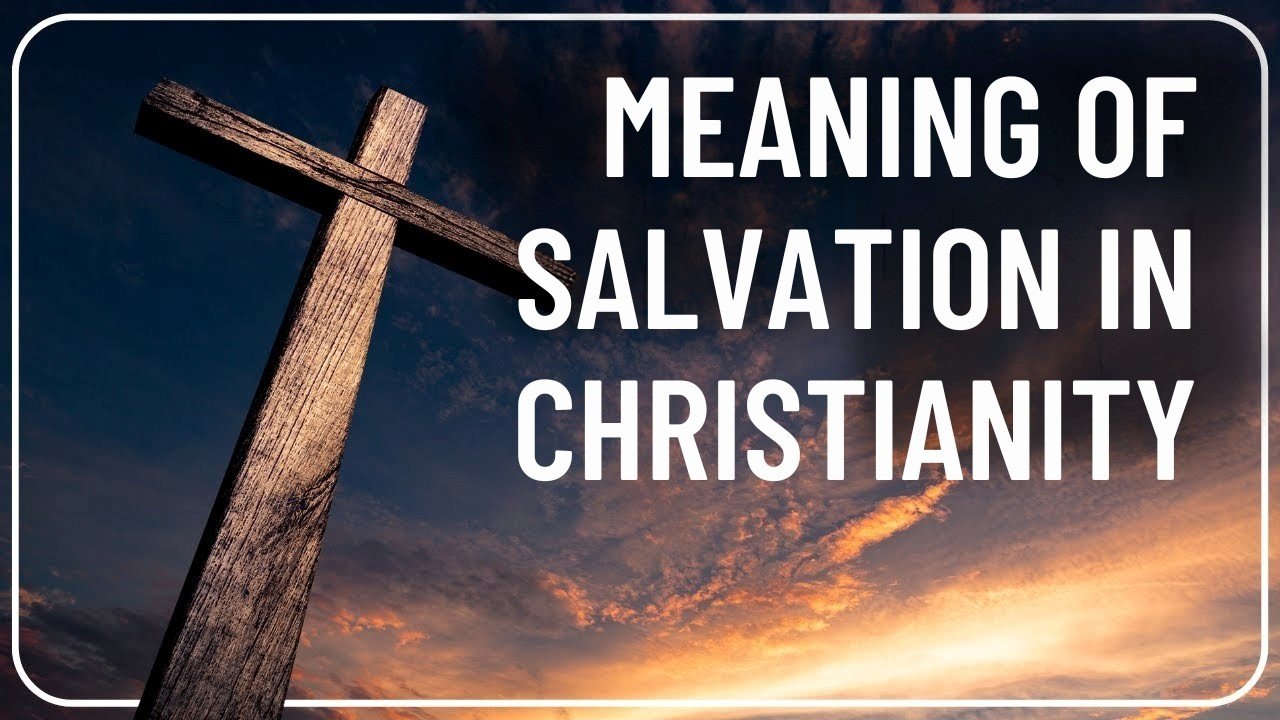
Faith, purpose, and understanding our spiritual destiny are questions that many people contemplate throughout life. Salvation is one of the core concepts in Christianity, but its meaning is often misunderstood or oversimplified. It is not merely about following rules or attending church services, but about entering into a life-transforming relationship with God through Jesus Christ. Understanding salvation helps believers find peace in their struggles, clarity in decisions, and purpose beyond the temporary concerns of the world.
In this article, we will explore the biblical definition of salvation, its significance in Christianity, and how it impacts daily life. Whether you are a new believer or someone curious about faith, this guide provides a detailed perspective on salvation and practical insights to apply in everyday living.
What Is Salvation?
Biblical Definition of Salvation
Salvation, according to the Bible, refers to the deliverance from sin and spiritual separation from God. It is the process by which God restores the relationship between humanity and Himself through Jesus Christ. Scripture emphasizes that salvation is a gift of grace, not earned through human effort.
For a deeper understanding, see our related blog What Is the Gospel? Understanding the Good News.
Salvation is central to Christian life because it provides believers with assurance of eternal life and transforms their hearts and minds. It is the foundation upon which all faith, hope, and spiritual growth are built.
Salvation as Relationship, Not Ritual
Many people think salvation is simply about performing religious rituals or moral deeds. While acts of obedience are important, salvation is primarily about reconciliation with God. Through salvation, believers enter into an intimate relationship with God, receiving His guidance, love, and presence in their lives.
Why Salvation Is Good News
Freedom from Sin
Indeed, salvation provides good news because it gives believers freedom from the power of sin. Consequently, sin no longer separates humanity from God, which removes guilt, shame, and spiritual emptiness. Through this gift, believers receive forgiveness and empowerment to live according to God’s will.
Eternal Life Through Jesus Christ
Salvation also promises eternal life. Believers have the assurance that death is not the end, and God’s kingdom awaits those who trust in Him. This promise provides comfort, hope, and direction in life, especially during times of uncertainty.
To explore the importance of Jesus’ sacrifice, check out our post Why Did Jesus Die for Our Sins?
Transformation of Life on Earth
Salvation does not only affect the afterlife; it also transforms life here and now. Believers experience changes in their moral choices, relationships, and perspective on challenges. It enables individuals to live with purpose, peace, and joy, guided by God’s principles.
How Salvation Is Received
Faith in Jesus Christ
Salvation begins with faith trusting in Jesus Christ as Lord and Savior. Faith allows individuals to believe in God’s promises, accept His forgiveness, and experience His presence in their lives.
Grace, Not Works
The Bible makes it clear that salvation is a gift from God. It is not earned through good deeds, moral performance, or human effort. Grace, freely offered, is the basis for salvation, highlighting God’s mercy and love.
Repentance and Acceptance
Repentance is an essential step in salvation. Turning away from sin and accepting Jesus as Lord allows believers to experience reconciliation with God and a transformed life.
Baptism and Obedience
While faith is the primary requirement, baptism and obedience to God’s commands serve as outward expressions of inward faith, demonstrating commitment and spiritual growth.
The Role of Jesus’ Life, Death, and Resurrection
His Life Shows God’s Character
Jesus’ life exemplifies love, compassion, humility, and obedience to God. His teachings guide believers on how to reflect God’s character in their daily actions.
Learn practical ways to study Scripture and reflect on salvation in our Bible Study Book.
His Death Provides Redemption
Jesus’ sacrificial death is the cornerstone of salvation. By taking the punishment for humanity’s sins, He opened the way for forgiveness and restored fellowship with God.
His Resurrection Confirms Victory
The resurrection demonstrates God’s power over sin and death. It validates the promise of eternal life and ensures that believers can live with hope and confidence in God’s plan.
How Salvation Transforms Daily Life
Peace and Assurance
Through God’s grace, believers experience a profound sense of peace, knowing that God forgives their sins and loves them unconditionally. This spiritual assurance provides stability amid life’s challenges.
Purpose and Direction
Salvation provides a framework for living intentionally. Furthermore, God’s principles shape decisions, priorities, and relationships, giving life deeper meaning and purpose.
Community and Worship
Being part of a faith community allows believers to grow together, worship God, and support each other in spiritual journeys.
Enhance your spiritual practices and reflections with our NGEN EBook, designed to guide believers through study and devotion.
Key Bible Verses About Salvation
John 3:16 — God’s Love and Promise
“For God so loved the world that He gave His one and only Son…” emphasizes the core of salvation God’s love and eternal life through Christ.
Ephesians 2:8-9 — Salvation by Grace
“By grace you have been saved, through faith and this not from yourselves, it is the gift of God not by works…” highlights that salvation is a gift, not earned.
Romans 10:9 — Confession and Belief
Confessing Jesus as Lord and believing in your heart that God raised Him from the dead ensures salvation and a personal relationship with God.
Common Misunderstandings About Salvation
Salvation Is Not Just Going to Heaven
This gift of God, salvation, is about spiritual transformation here and now, not merely a destination after death.
Furthermore, it cannot be earned by good deeds.
Indeed, good deeds alone cannot secure salvation; it is entirely by grace through faith.
Salvation Cannot Be Earned
Good deeds alone cannot secure salvation; it is entirely by grace through faith.
Salvation Is Available to Everyone
Anyone can accept salvation, regardless of past failures, social status, or mistakes.
How Can Someone Respond to Salvation?
Believe in Jesus Christ
Faith is the starting point; believing in Jesus opens the door to God’s grace.
Turn From Sin
Repentance allows individuals to break free from sinful patterns and begin a renewed life.
Live a Life Transformed by Faith
Engage in prayer, Bible study, worship, and obedience to reflect God’s principles in daily life.
Conclusion
Salvation in Christianity is a gift of grace, offering reconciliation with God, forgiveness of sins, and eternal hope. It transforms daily life by providing peace, purpose, and spiritual guidance. Understanding salvation allows believers to live confidently, guided by faith and God’s promises.
FAQs About Salvation in Christianity
What is Salvation in Christianity?
Salvation is the restoration of the relationship between humanity and God through Jesus Christ. It delivers believers from sin, provides forgiveness, and promises eternal life.
How is Salvation Received?
People receive salvation through faith in Jesus Christ, repentance of sins, and accepting God’s grace.
Trusting in God’s promises, believers experience salvation rather than earning it through works.
Can Anyone Be Saved?
Yes, salvation is available to everyone who chooses to believe and accept God’s gift of grace, regardless of past failures or shortcomings.
Does Salvation Change Life Now?
Absolutely. It transforms the way believers think, make decisions, and interact with others, providing spiritual peace, moral guidance, and purpose in daily life.
What Bible Verses Explain Salvation Clearly?
John 3:16, Ephesians 2:8-9, and Romans 10:9 summarize salvation’s promise, grace, and the need for faith and confession of Jesus Christ as Lord.